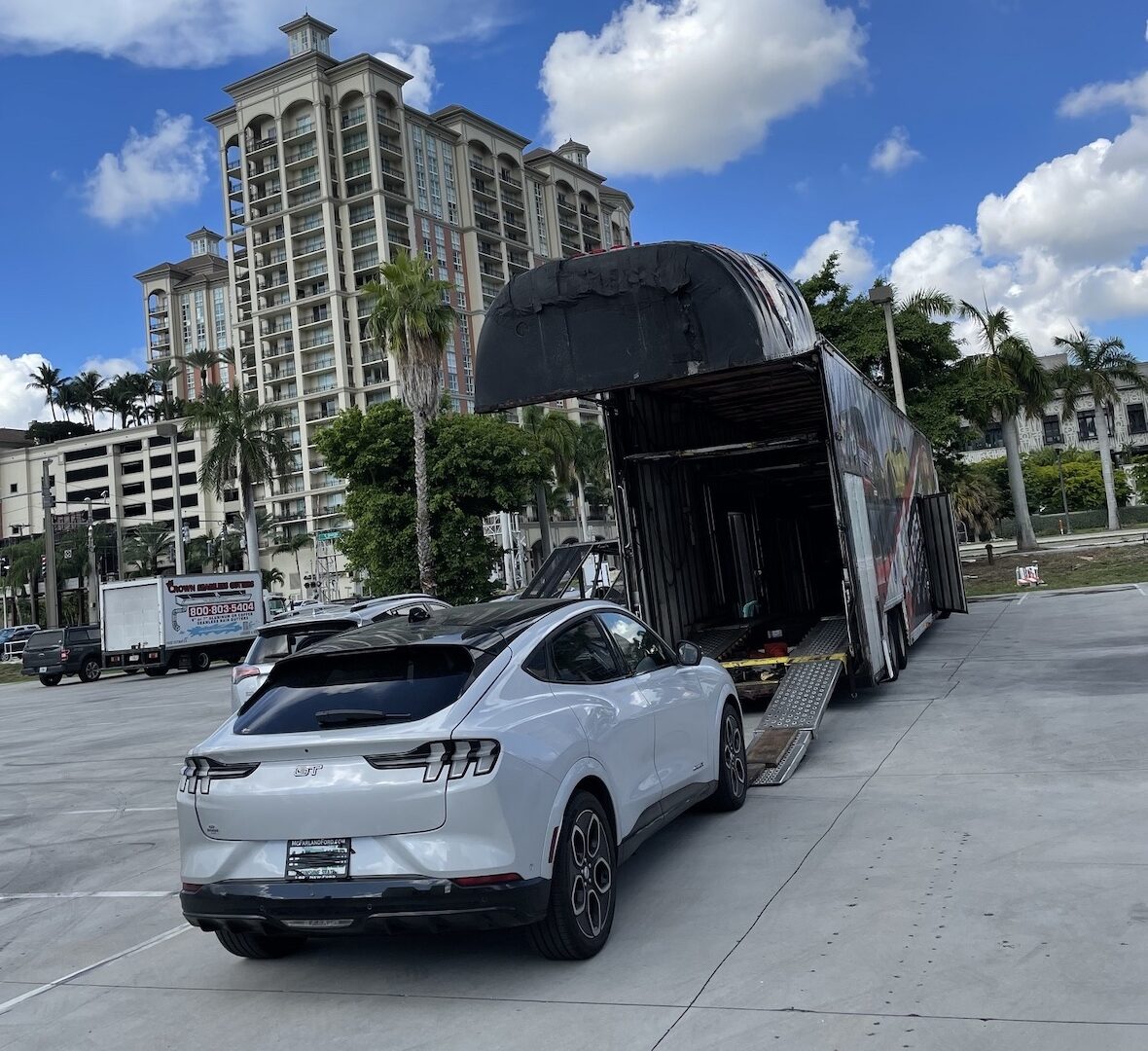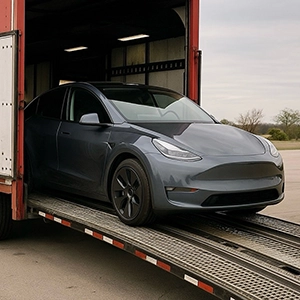

Lucid Air Auto Transport Built Around Precision & Protection
Transporting a Lucid Air isn’t the same as shipping a standard sedan. Its weight, width, low ground clearance and battery placement all influence how the vehicle should be loaded and which carrier makes sense for the move.
At Autos On The Go, those details are considered before a carrier is assigned—not after the truck arrives.
Depending on configuration, the Lucid Air weighs well over 4,000 pounds, with much of that weight concentrated low in the chassis. Combine that with its low profile and wide body, and carrier selection becomes particularly important.
Shipping a Lucid Air? Get quote here →
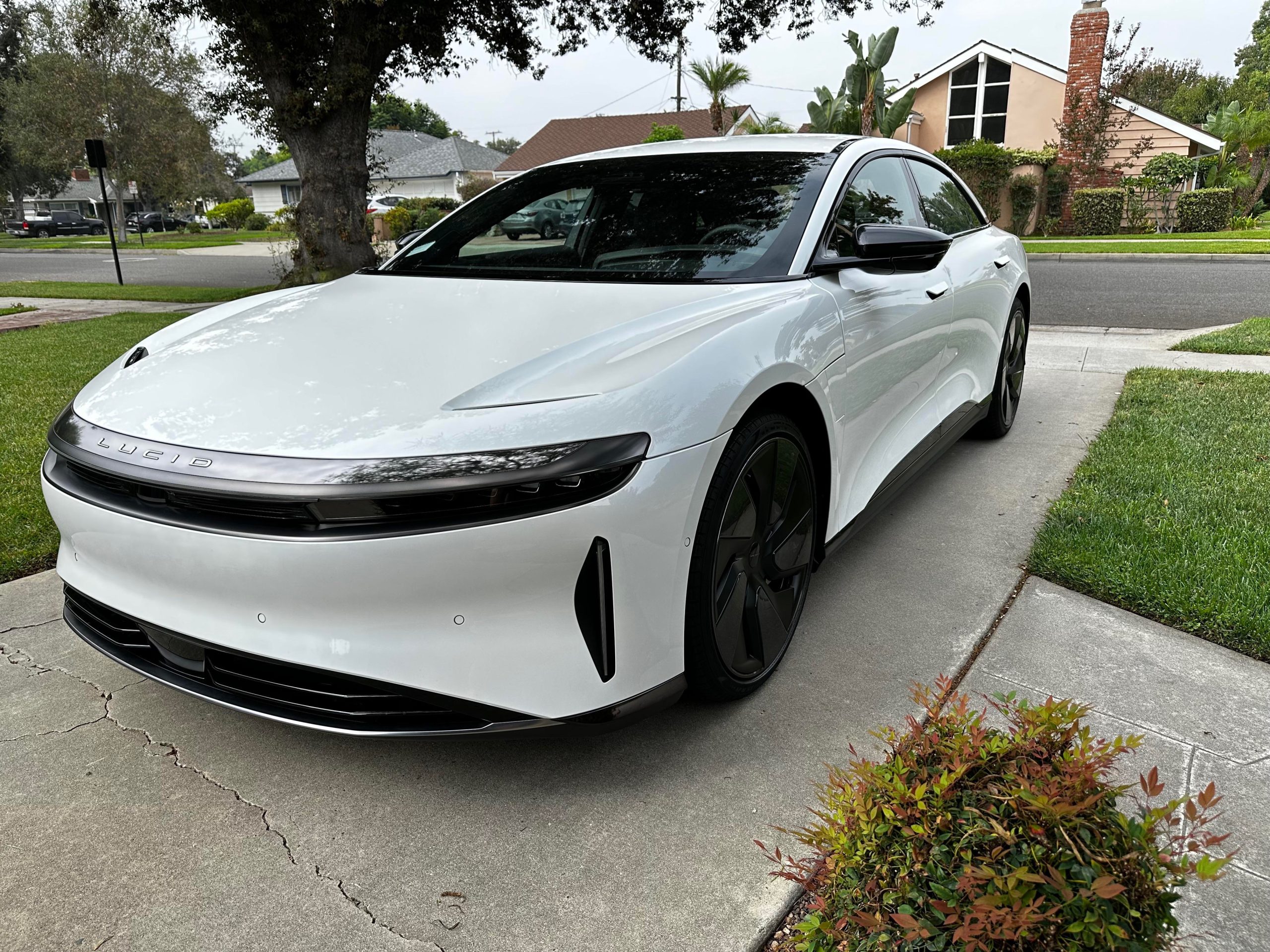
Proper Lucid Air Loading & Securement
Securement is one area where we don’t want improvisation. The equipment and securement method need to be appropriate for the vehicle and consistent with current manufacturer guidance.
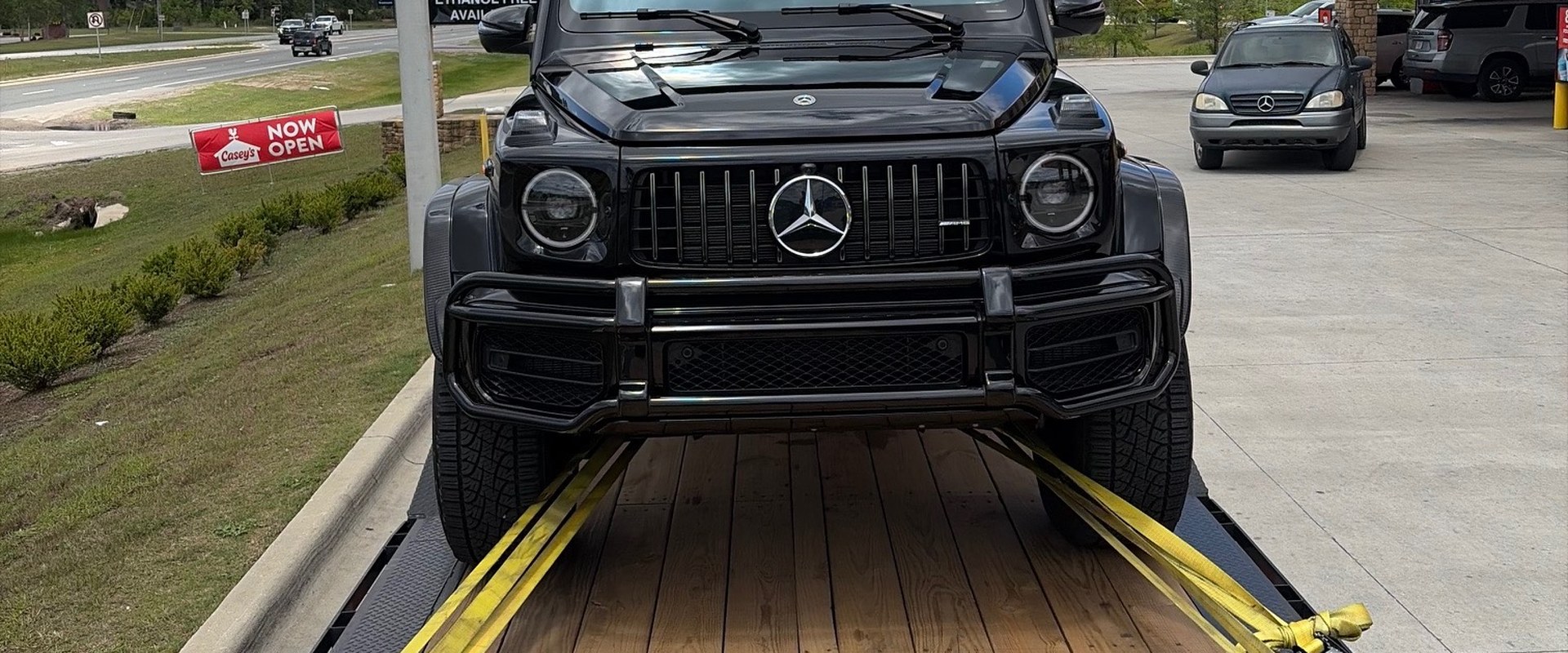
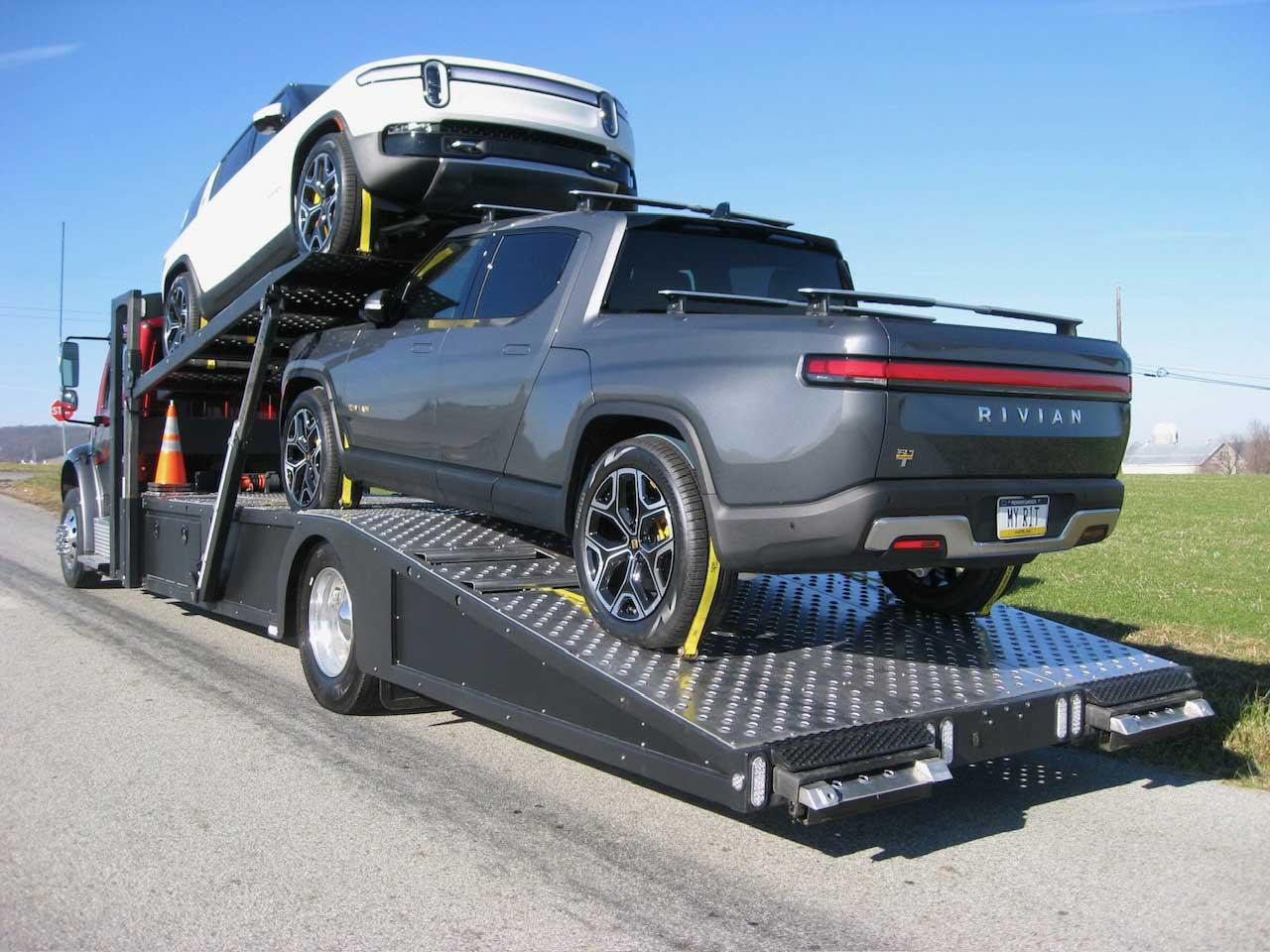
Soft-Strap Wheel Securement
- Soft wheel straps positioned over the tires
- Vehicle secured at all four wheels
- No unnecessary contact with suspension or underbody components
- Particularly well suited to high-value EV transport
Manufacturer-Approved Securement Points
When vehicle-specific anchor points are used, the carrier should follow the current manufacturer guidance for that Lucid model and configuration.
- Use only appropriate vehicle-designated attachment points
- Verify equipment compatibility before loading
- Avoid improvised underbody attachment points
Trailer Selection Matters with a Lucid Air
At approximately 76 inches wide, the Lucid Air is a substantial sedan. Width becomes especially important inside enclosed equipment, where lateral clearance affects loading, positioning and access around the vehicle.
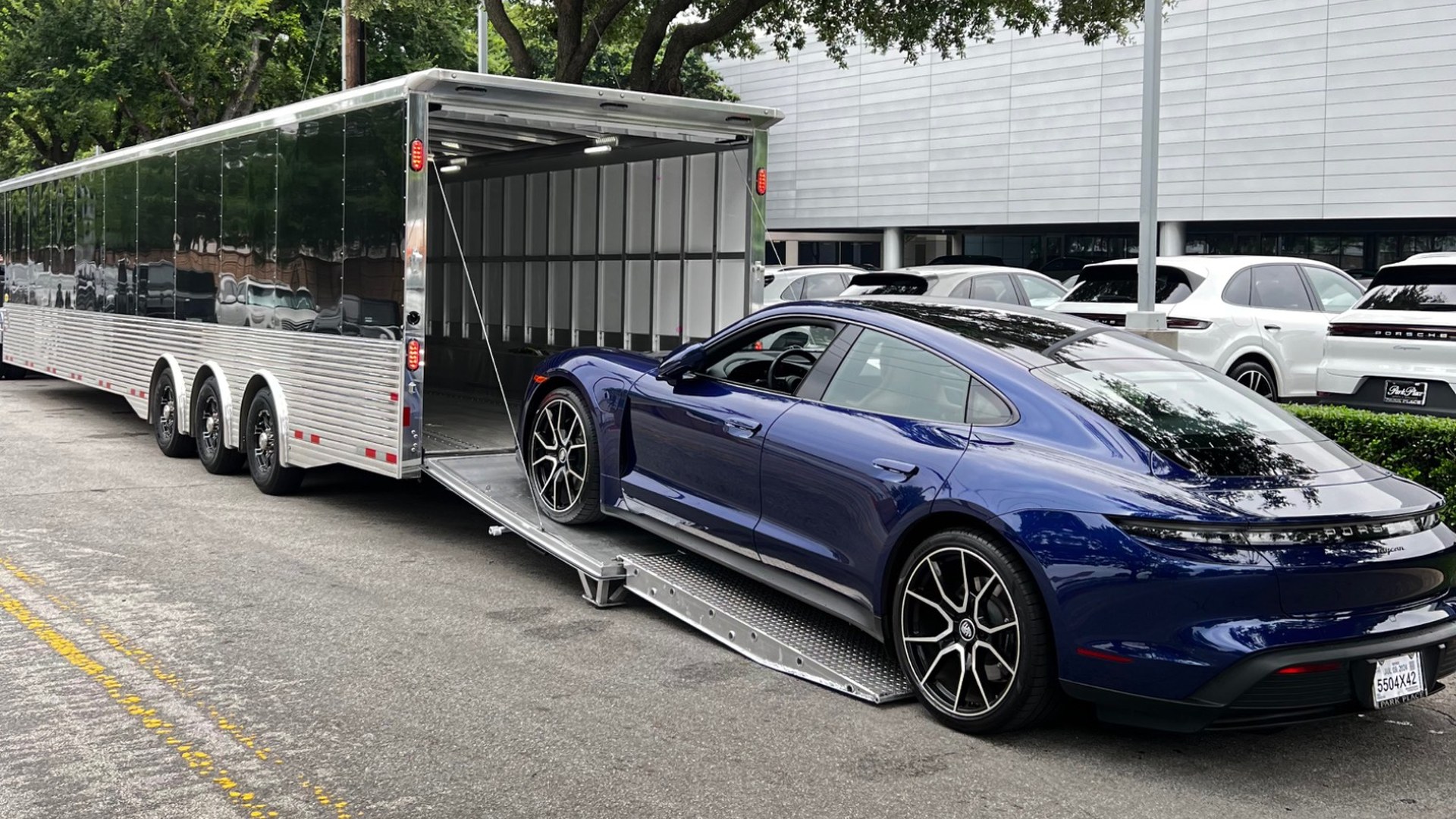
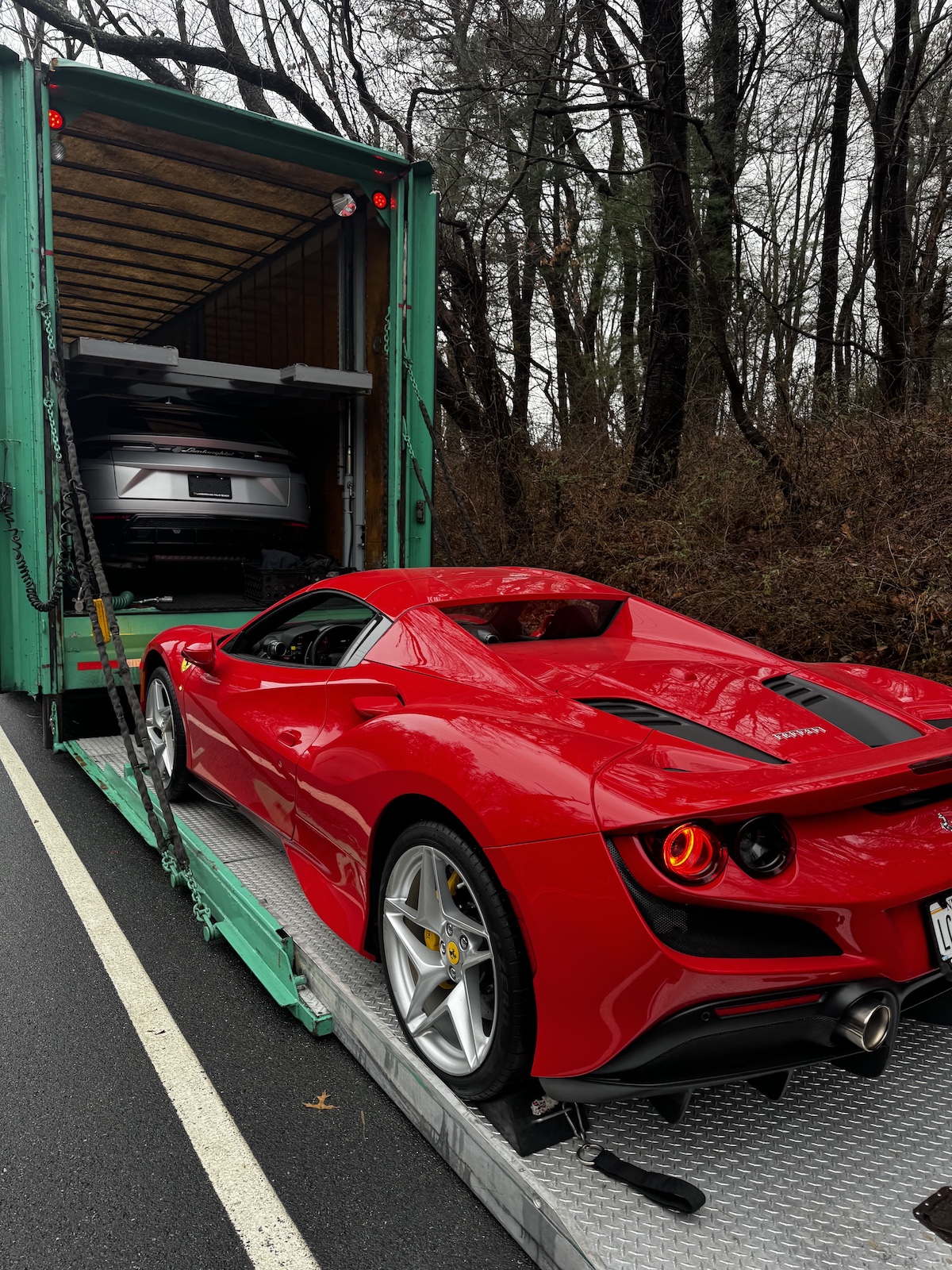
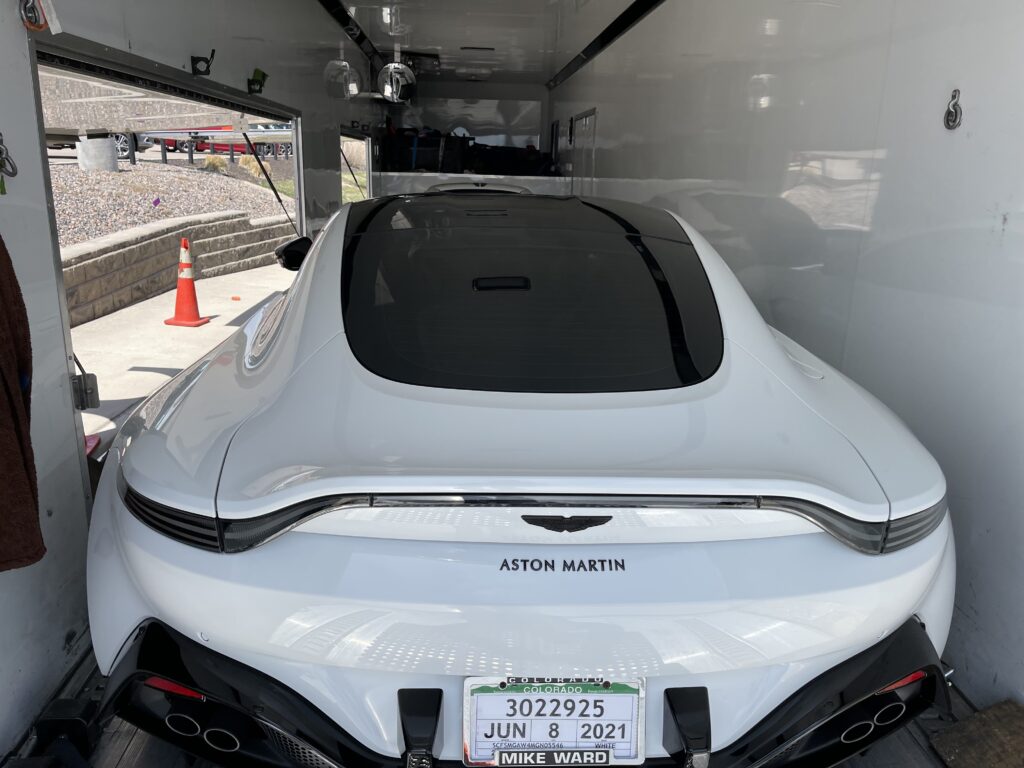
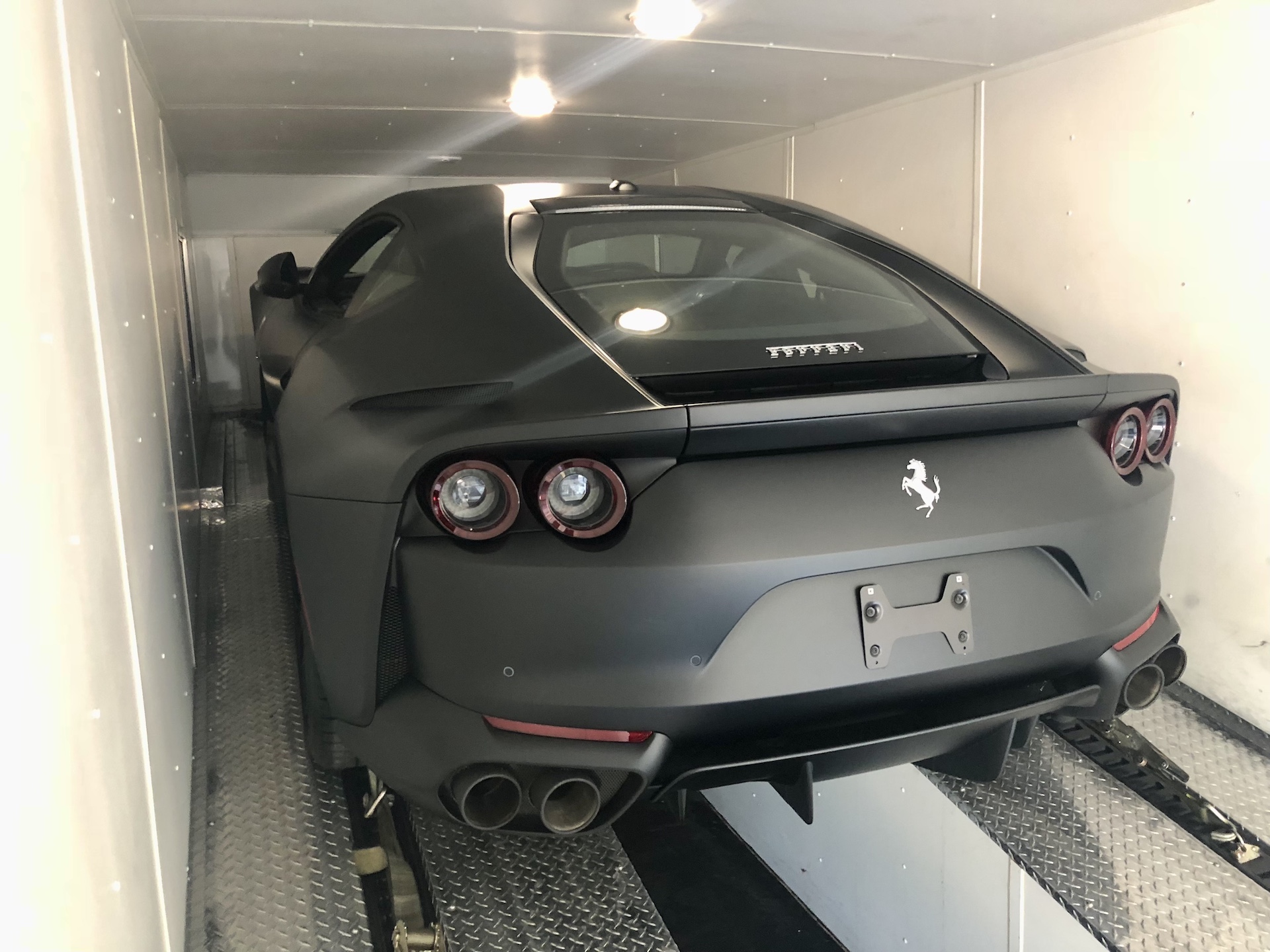
Enclosed Lucid Air Transport
For many Lucid owners, enclosed transport is worth considering.
An enclosed carrier protects the vehicle from weather and road debris during transit and is particularly attractive for new vehicles, high-value trims and owners who want the additional protection.
It isn’t mandatory simply because the vehicle is a Lucid. Open transport can still be appropriate when the equipment and loading setup are right.
- Protection from weather and road debris
- Fewer vehicles on many enclosed configurations
- Additional protection for high-value or exceptionally clean vehicles
Owners comparing high-performance luxury EVs may also want to see how we handle Porsche Taycan auto transport, including low-clearance loading and enclosed shipping options.
Low-Rail vs. High-Rail Trailers
For Lucid shipments, we prefer equipment that provides adequate lateral clearance and manageable loading angles. Low-rail configurations can be particularly useful for wide, low-profile vehicles.
Low-rail advantages may include:
- More lateral clearance during positioning
- Lower loading angles
- Easier alignment for a wide, low-profile vehicle
Higher-rail configurations can provide less side clearance depending on the trailer, making careful positioning even more important. We evaluate the actual equipment rather than assuming every enclosed trailer is equally suitable.
We’ll help you decide which option makes sense based on distance, timing, budget, and vehicle condition.
Ground Clearance & Loading Strategy
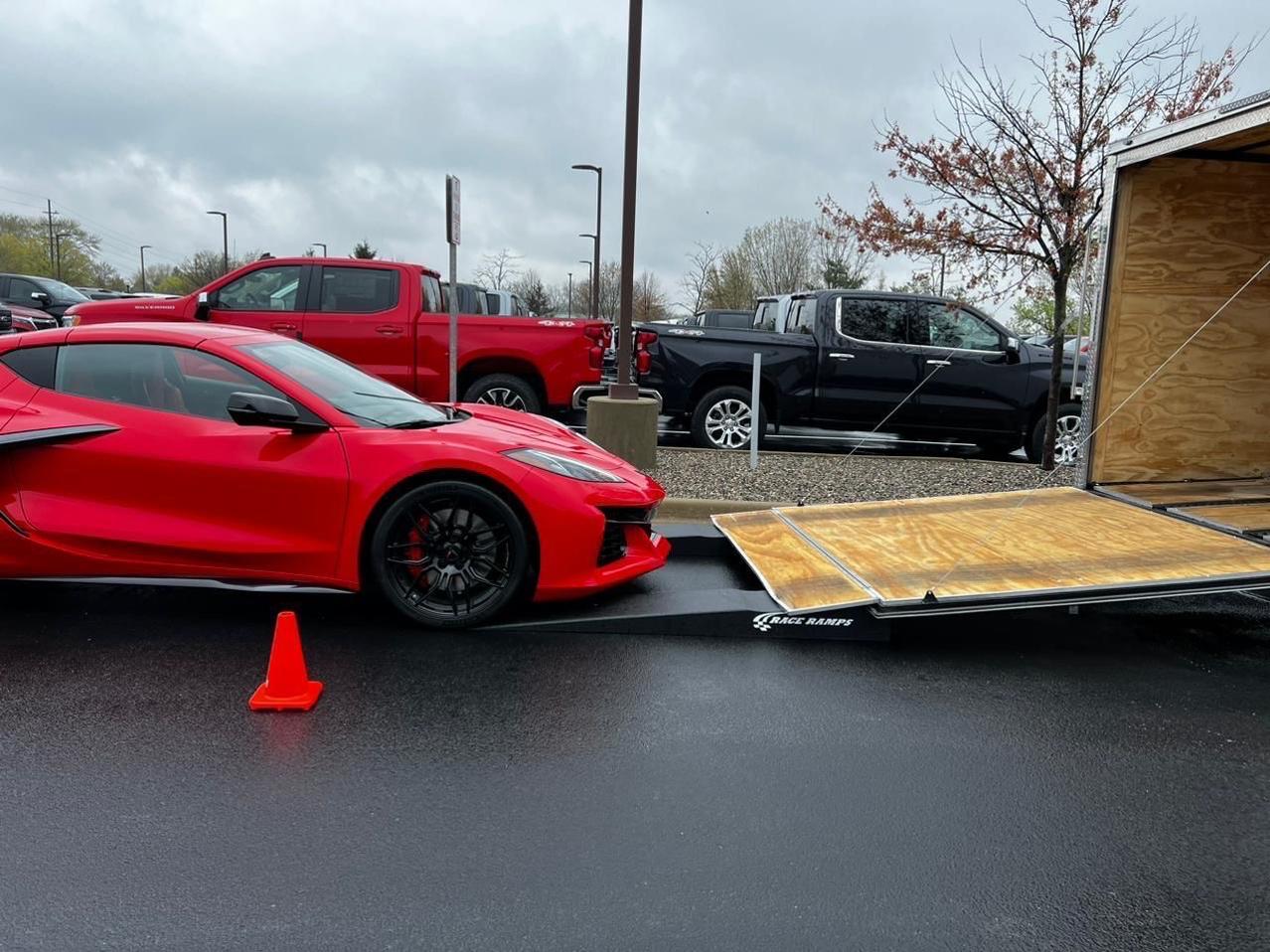
The Lucid Air sits low, and loading angle matters.
A carrier may need extended ramps, a hydraulic liftgate or careful trailer positioning to create an appropriate approach angle. The goal is simple: load the vehicle without asking the front end or underbody to clear an angle the car wasn’t designed for.
- Extended ramps or hydraulic liftgates when appropriate
- Avoid unnecessarily steep loading angles
- Position the trailer correctly before loading begins
This is where experience shows. A rushed load is where damage happens.
Preparing a Lucid Air for Transport
Transport Mode & Vehicle Settings
Vehicle settings used during loading can vary by model year, software version and the situation at hand. Before pickup, owners should review the current transport or towing instructions provided by Lucid for their vehicle.
The driver may need the vehicle to roll freely during loading or unloading, particularly when using certain trailer configurations.
Alarm & Security Settings
Some vehicle alarm and security functions can react to movement or vibration while a vehicle is in transit. If a setting needs to be changed for transport, it should be done according to the vehicle’s current manufacturer instructions.
We recommend making sure the vehicle is accessible, adequately charged and ready to load when the carrier arrives.
Why Experience Matters with Lucid Transport
Experience with high-value EV transport shows up in the details.
The carrier needs to know what they’re picking up before they arrive: vehicle dimensions, approximate weight, ground clearance and any equipment considerations that could affect loading.
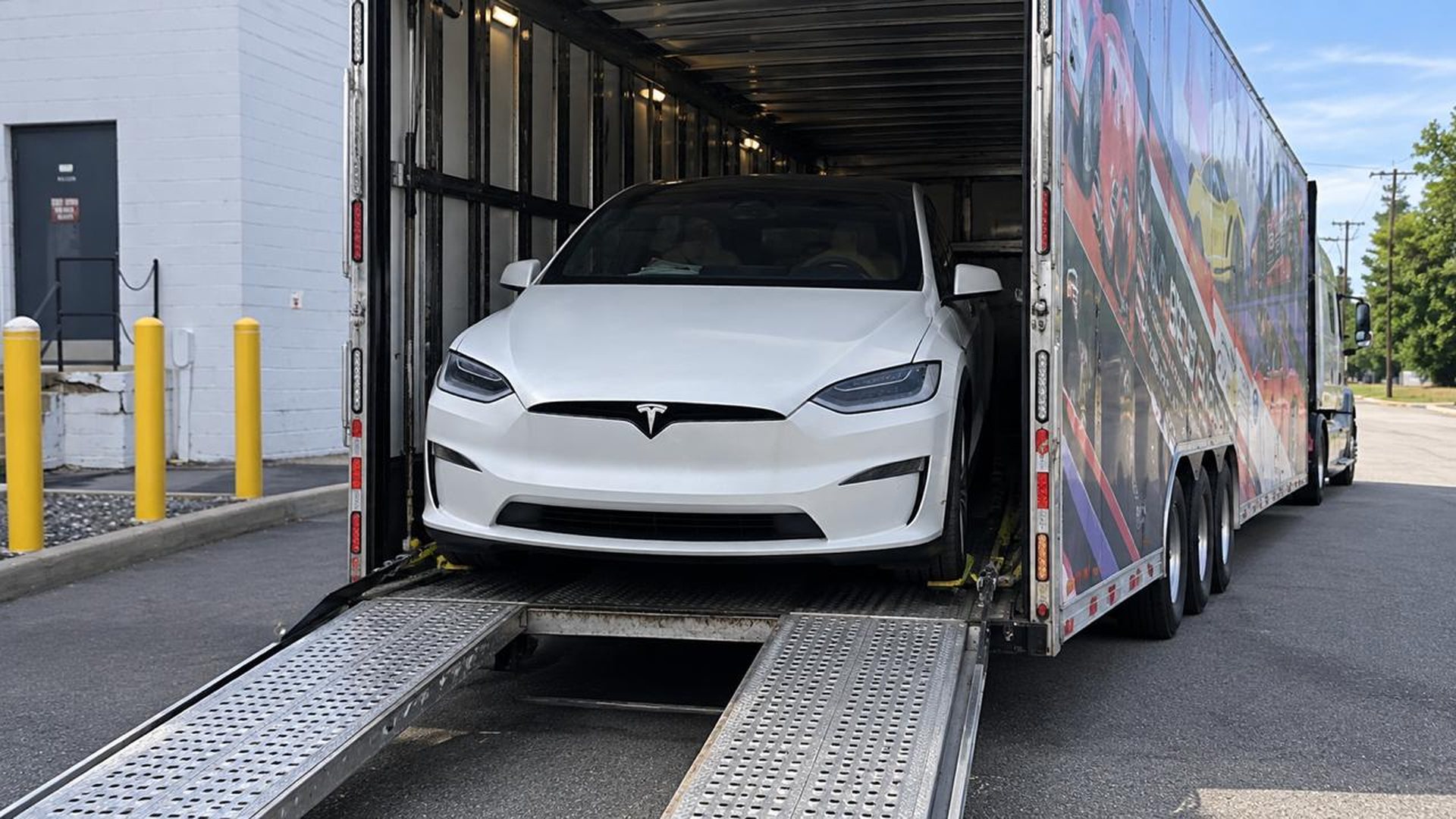
Since 2008, Autos On The Go has coordinated thousands of specialty vehicle shipments. As EVs like Tesla Model Y, Tesla Model X and Lucid become more common, understanding the differences between them has become increasingly important.
A Model X doesn’t load like a Lucid Air. A Lucid doesn’t present the same considerations as a conventional sedan. The carrier and equipment should make sense for the actual vehicle being transported.
That’s the standard we use when coordinating a Lucid shipment.
We don’t overpromise — we deliver consistently.
Open or Enclosed? We’ll Help You Decide
There isn’t one transport method that’s right for every Lucid.
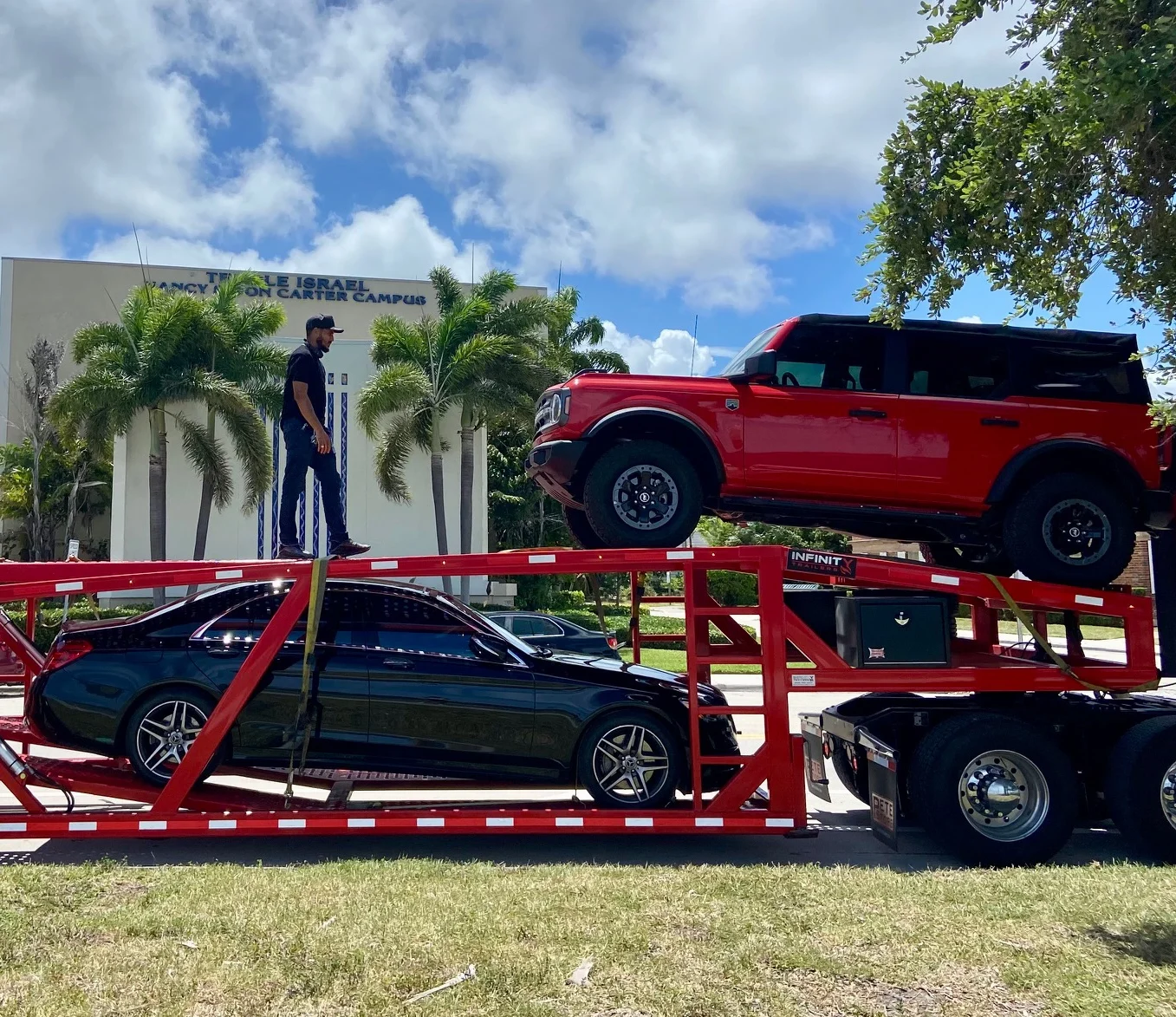
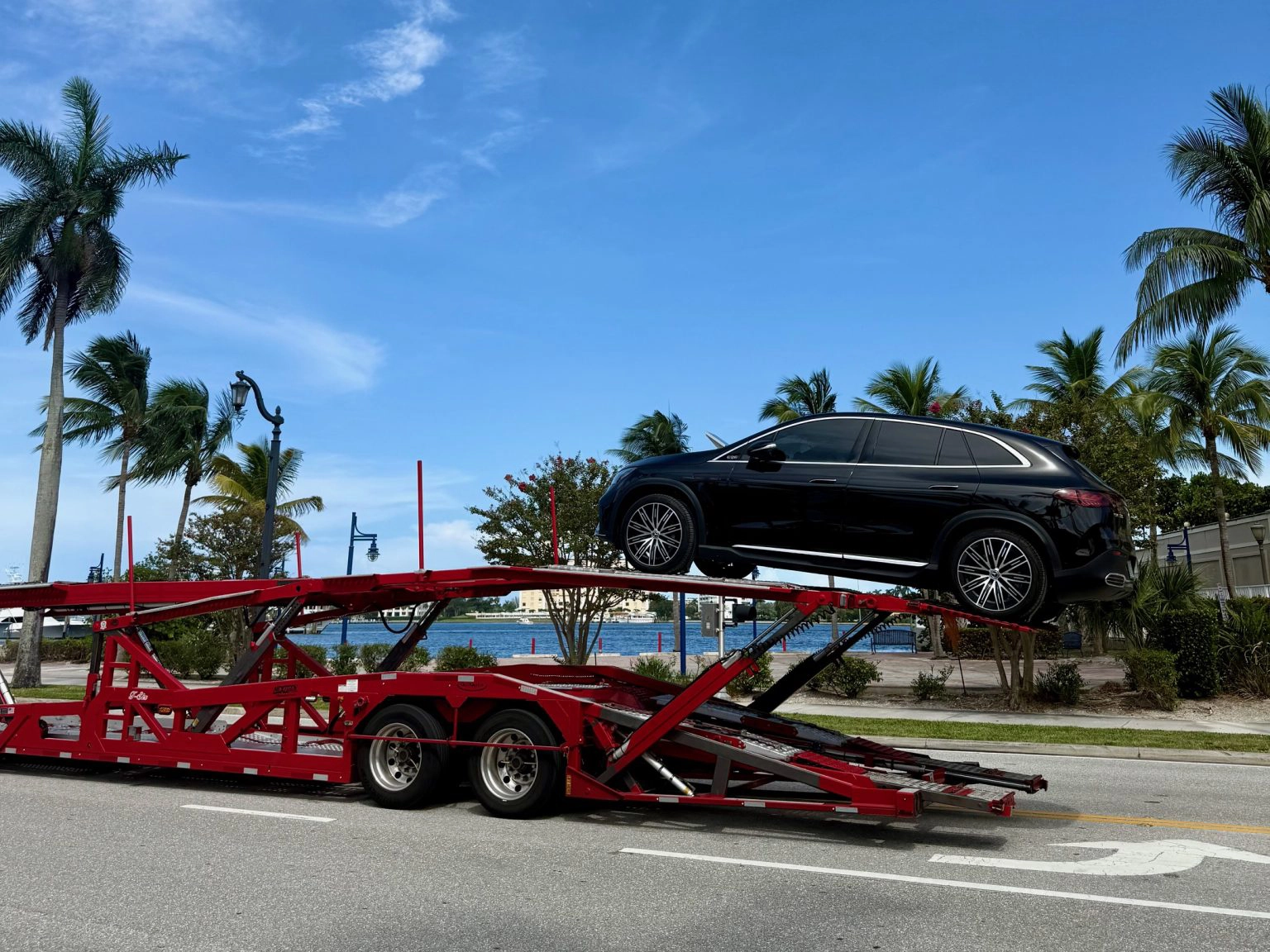
Enclosed transport offers additional protection and may be preferable for high-value trims, new vehicles or owners who want to minimize road exposure. Open transport provides greater carrier availability and usually costs less.
We’ll help you compare the options based on the vehicle, route, timing and current carrier market.
Get a Lucid Air Transport Quote
Tell us where your Lucid Air is going, when it’s available and whether you’re considering open or enclosed transport.
We’ll evaluate the route and current carrier market and give you a realistic transport option for the vehicle.
Get a Lucid Air auto transport quote or call 866-924-7447.